

Sustainable Choices in Hotel Dining Furniture: A Comprehensive Guide for Eco-Friendly Hospitality
Sustainable Choices in Hotel Dining Furniture: A Comprehensive Guide for Eco-Friendly Hospitality
Introduction to Sustainable Furniture in the Hospitality Industry
In recent years, the hospitality industry has seen a remarkable shift towards sustainability. Hotels are not just places to stay; they represent a commitment to environmental responsibility. Choosing the right dining furniture is an essential aspect of this commitment. Sustainable dining furniture enhances the aesthetic appeal of hotel dining areas while minimizing environmental impact. This guide will explore various aspects of sustainable choices in hotel dining furniture, including materials, design, and sourcing methods.
The Importance of Sustainable Furniture Choices in Hotels
Sustainable furniture choices in hotels go beyond mere aesthetics. They reflect a commitment to environmental stewardship and social responsibility. By opting for eco-friendly materials and ethically sourced products, hotels can reduce their carbon footprint and attract environmentally conscious guests. Moreover, sustainable furniture often features durability and longevity, which means fewer replacements and less waste.
Understanding Eco-Friendly Materials for Dining Furniture
When selecting dining furniture, understanding the materials used is crucial. Here are some of the most popular eco-friendly materials:
1. Reclaimed Wood
Reclaimed wood is sourced from old buildings, barns, and other structures, giving it a unique character while reducing deforestation. This type of wood is not only environmentally friendly but also adds a rustic charm to the dining area.
2. Bamboo
Bamboo is one of the fastest-growing plants on Earth, making it an excellent sustainable choice. It is lightweight, strong, and versatile, perfect for various furniture designs. Additionally, bamboo cultivation requires minimal pesticides and fertilizers.
3. Recycled Metal
Using recycled metal for dining furniture reduces the need for new metal production, which is energy-intensive. Recycled metal is durable and can be molded into various designs, adding an industrial touch to hotel dining spaces.
4. Biodegradable Plastics
Biodegradable plastics made from renewable resources like corn starch can be an eco-friendly alternative for disposable dining items. These materials break down more efficiently than traditional plastics, minimizing landfill impact.
5. Organic Fabrics
When it comes to upholstery, organic fabrics made from cotton, hemp, or linen are preferable. These materials are grown without harmful chemicals, promoting a healthier environment for both consumers and workers.
Ethical Sourcing: A Key Element of Sustainable Furniture
Ethical sourcing plays a pivotal role in creating a sustainable hotel environment. It involves selecting materials and products that adhere to fair labor practices and environmentally responsible practices. Here are some ways to ensure ethical sourcing in your dining furniture choices:
1. Transparency in Supply Chains
Choose suppliers who provide transparency in their sourcing practices. Understanding where and how materials are sourced can help ensure that they are obtained sustainably and ethically.
2. Certifications and Standards
Look for furniture manufacturers that hold certifications like Forest Stewardship Council (FSC) or Global Organic Textile Standard (GOTS). These certifications indicate that the products meet specific environmental and social criteria.
3. Support Local Artisans
Supporting local artisans not only reduces carbon emissions associated with transportation but also fosters community development. Locally made furniture is often crafted with care and attention to detail.
Design Considerations for Sustainable Hotel Dining Furniture
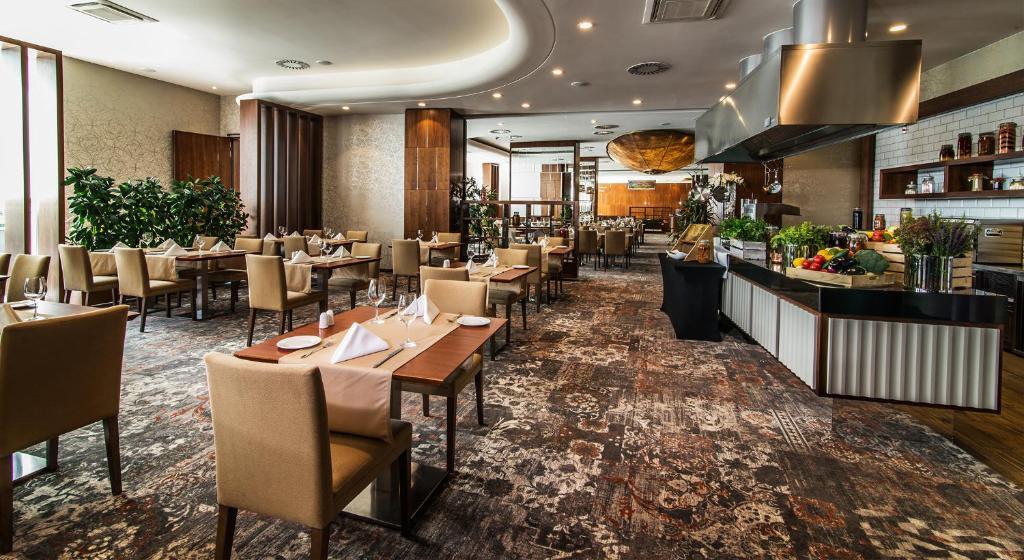
While sustainability is key, the design of dining furniture must not be overlooked. The right design can enhance guest experience and ensure the longevity of the furniture.
1. Versatility and Adaptability
Choose furniture designs that are versatile and can adapt to various dining scenarios. Modular seating arrangements, for instance, can easily be reconfigured for different events or guest needs.
2. Timeless Aesthetics
Opt for designs that are timeless rather than trendy. Classic styles tend to have a longer lifespan, reducing the need for frequent replacements and ensuring that they remain appealing over time.
3. Comfort and Functionality
Comfort should always be a priority. Ergonomically designed chairs and tables not only enhance the dining experience but also encourage guests to linger longer, which can lead to increased sales.
Case Studies: Hotels Leading the Way in Sustainable Dining Furniture
Examining successful case studies can provide valuable insights into implementing sustainable choices in hotel dining furniture.
1. The Green Hotel Initiative
This initiative focuses on providing hotels with guidelines for sustainability. Participating hotels have adopted reclaimed wood furniture and energy-efficient designs, significantly reducing their carbon footprints.
2. Eco-Friendly Boutique Hotels
Boutique hotels often lead the charge in sustainable design. Many have chosen locally sourced furniture crafted by regional artisans, showcasing the beauty of local materials while supporting the community.
Tips for Implementing Sustainable Choices in Hotel Dining Furniture
Making the transition to sustainable dining furniture can seem daunting, but with the right approach, it can be a seamless process.
1. Conduct a Furniture Audit
Start by assessing your current furniture inventory. Identify items that can be replaced with sustainable alternatives and those that may be repurposed or repaired.
2. Set a Budget for Sustainability
Allocating a specific budget for sustainable furniture is critical. While eco-friendly options may have a higher upfront cost, their durability can lead to long-term savings.
3. Collaborate with Sustainability Experts
Engage with sustainability consultants or interior designers who specialize in eco-friendly practices. They can provide valuable insights and help create a cohesive and sustainable dining environment.
Frequently Asked Questions (FAQs)
1. Why is sustainable furniture important for hotels?
Sustainable furniture reduces environmental impact, attracts eco-conscious guests, and can lower long-term costs through durability and reduced waste.
2. What materials are considered eco-friendly for dining furniture?
Eco-friendly materials include reclaimed wood, bamboo, recycled metal, biodegradable plastics, and organic fabrics.
3. How can hotels ensure they are ethically sourcing their furniture?
Hotels can ensure ethical sourcing by choosing transparent suppliers, looking for recognized certifications, and supporting local artisans.
4. What design features should sustainable dining furniture have?
Sustainable dining furniture should be versatile, timeless, comfortable, and functional to create a positive dining experience.
5. How can hotels transition to sustainable dining furniture?
By conducting furniture audits, setting budgets for sustainable options, and collaborating with experts, hotels can smoothly transition to eco-friendly choices.
Conclusion
Choosing sustainable dining furniture is not merely a trend; it is a necessary step towards responsible hospitality. By focusing on eco-friendly materials, ethical sourcing, and thoughtful design, hotels can create stunning dining spaces that reflect their commitment to sustainability. As the hospitality industry continues to evolve, making conscious choices about dining furniture will not only enhance guest experiences but also contribute to a healthier planet. Embracing sustainability is not just beneficial for the environment; it is a decisive move towards fostering goodwill and loyalty among guests who value eco-conscious practices.
Prev
Related News
Sustainable Choices in Hotel Dining Furniture: A Comprehensive Guide for Eco-Friendly Hospitality
Sustainable Choices in Hotel Dining Furniture: A Comprehensive Guide for Eco-Friendly Hospitality
Introduction to Sustainable Furniture in the Hospitality Industry
In recent years, the hospitality industry has seen a remarkable shift towards sustainability. Hotels are not just places to stay; they represent a commitment to environmental responsibility. Choosing the right dining furniture is an ess

Ashley Ren:
Address
No.2, Zhenye West 5th Road, Shatou Industrial Park, Jiujiang Town, Nanhai District, Foshan City, Guangdong Province, China
SAF Coolest v1.3.1.2 设置面板 GAGSD-AGYF-JSXAE-WWA
无数据提示
Sorry,The current section is being updated, so stay tuned!
You can view other sections or go back to Home