

How to Use Hotel Furniture to Create a Unique Brand Experience
How to Use Hotel Furniture to Create a Unique Brand Experience
Table of Contents
- 1. Introduction
- 2. The Importance of Furniture in Branding
- 3. Selecting the Right Furniture for Your Hotel
- 3.1 Understanding Your Target Audience
- 3.2 Creating a Theme That Resonates
- 3.3 Balancing Functionality and Style
- 4. Creating Unique Spaces with Furniture
- 5. Incorporating Local Culture through Furniture
- 6. Sustainable Furniture Choices
- 7. Evaluating and Refreshing Your Furniture
- 8. Conclusion
- 9. FAQs
1. Introduction
In the highly competitive hospitality industry, creating a memorable brand experience is essential for attracting and retaining guests. While many factors contribute to a hotel's overall atmosphere, **furniture** plays a pivotal role in shaping a guest's perception. By thoughtfully selecting and arranging furniture, hotel owners can enhance their brand identity, evoke emotional responses, and foster a sense of comfort and luxury. This article delves into the various ways to use hotel furniture strategically to develop a unique brand experience that resonates with your target audience.
2. The Importance of Furniture in Branding
Furniture is more than just functional pieces; it is a critical element of **hotel branding**. The right furniture can communicate a hotel’s values, target demographic, and overall aesthetic. From the lobby to the guestroom, every piece of furniture contributes to the narrative of the brand. This section will explore how incorporating unique furniture designs can create a cohesive brand story.
3. Selecting the Right Furniture for Your Hotel
Choosing the appropriate furniture for your hotel requires a careful evaluation of your brand ethos and guest expectations.
3.1 Understanding Your Target Audience
To curate a **brand experience** that resonates, it is crucial to understand who your guests are. Are they business travelers, families on vacation, or luxury seekers? Analyzing demographics and preferences will guide your furniture choices. For instance, business hotels may benefit from sleek, minimalist furniture that facilitates productivity, while a family-oriented hotel might opt for colorful, durable pieces.
3.2 Creating a Theme That Resonates
Establishing a cohesive theme through furniture selection can significantly enhance the guest experience. Whether your hotel embraces a modern, rustic, or eclectic style, every piece should contribute to the overarching narrative. Consider integrating local craftsmanship or design elements to strengthen the connection between the space and its surroundings.
3.3 Balancing Functionality and Style
While aesthetics are essential, functionality should never be compromised. Guests expect furniture that not only looks good but also serves its purpose effectively. For instance, comfortable seating in public areas encourages social interaction, while ergonomic desks in rooms can enhance the productivity of business travelers.
4. Creating Unique Spaces with Furniture
Distinctive spaces within your hotel can be created by leveraging furniture designs that invite exploration and engagement.
4.1 Designing Lobbies and Lounges
The lobby is often the first point of contact for guests, making it crucial to design a welcoming environment. Utilizing a blend of seating arrangements, such as communal tables, cozy nooks, and lounge chairs, can cater to diverse needs. Thoughtfully chosen furniture can promote interaction and relaxation, setting the tone for the entire stay.
4.2 Curating Rooms and Suites
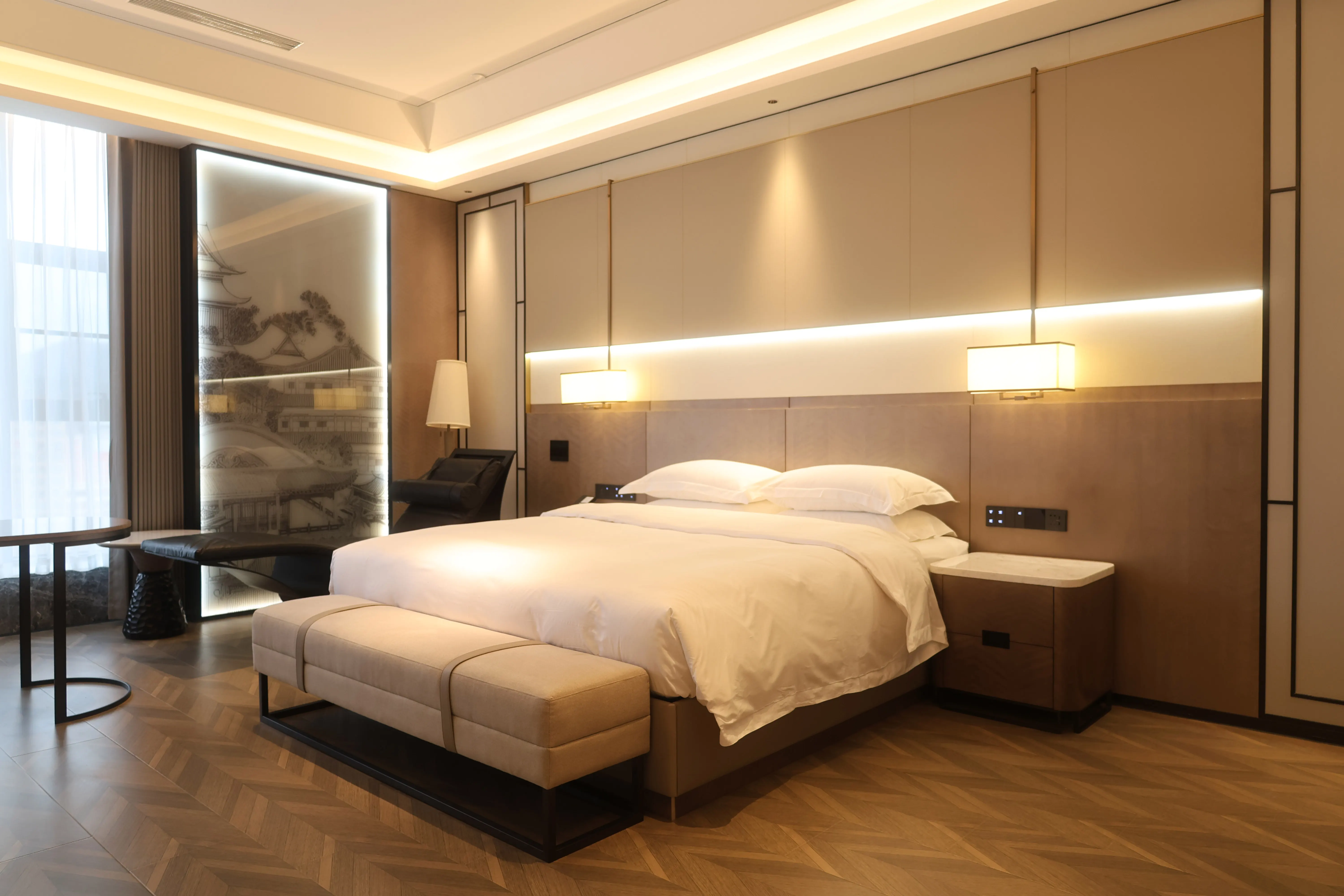
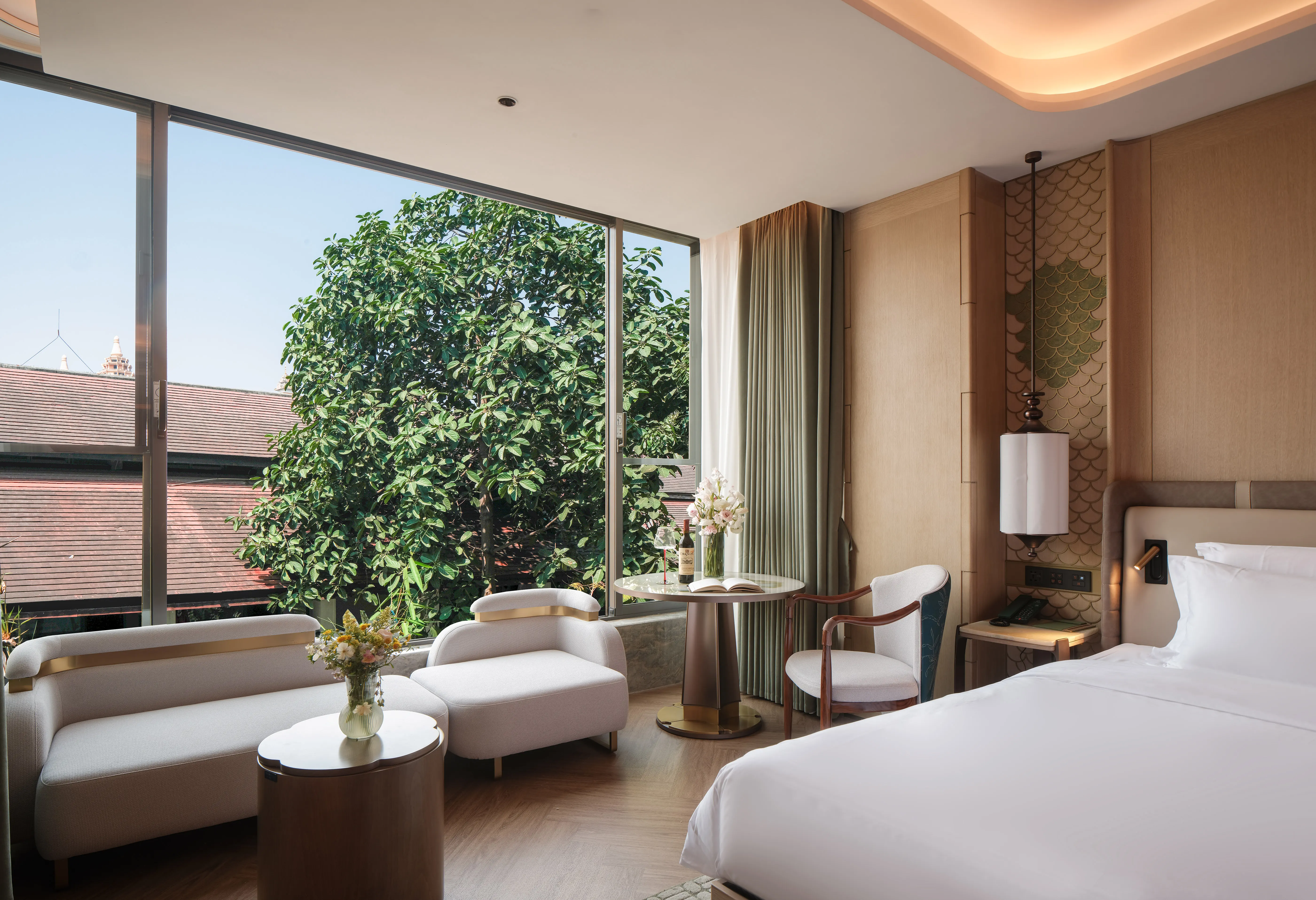
Guestrooms are personal sanctuaries. The selection of bed frames, nightstands, and lounge areas should reflect comfort and style. Invest in high-quality, luxurious furnishings to enhance the overall guest experience. Moreover, consider incorporating technology-friendly options, such as charging stations, to meet the demands of modern travelers.
4.3 Utilizing Outdoor Areas
Outdoor spaces present unique opportunities for branding. Patio furniture, garden lounges, and dining sets can transform a simple outdoor area into an inviting escape. By blending indoor and outdoor aesthetics, hotels can create seamless transitions that enhance guest enjoyment.
5. Incorporating Local Culture through Furniture
Integrating local culture into your furniture choices not only supports local artisans but also creates a more authentic experience for guests. Consider sourcing furniture that embodies the region’s history, culture, or craftsmanship. This approach not only differentiates your brand but also fosters a deeper connection between guests and their destination.
6. Sustainable Furniture Choices
The increasing awareness of environmental responsibility is prompting many hotels to explore sustainable furniture options. Choosing eco-friendly materials and furnishings can enhance a hotel’s image and appeal to environmentally-conscious travelers. When selecting sustainable furniture, consider durability, sourcing, and lifecycle impact to align with green initiatives.
7. Evaluating and Refreshing Your Furniture
Regular evaluation of furniture is essential to maintain brand integrity and guest satisfaction. Wear and tear can detract from the overall experience. Consider implementing a schedule for refreshing furniture, whether it’s through reupholstering or replacing outdated pieces. This proactive approach ensures that your hotel remains relevant and appealing.
8. Conclusion
In conclusion, effectively using hotel furniture is a powerful way to create a unique brand experience. By carefully selecting pieces that reflect your brand values, understanding your target audience, and incorporating local culture, you can craft spaces that resonate with guests. Investing in quality, sustainable, and functional designs will not only enhance the guest experience but also strengthen your hotel's brand identity. As we move forward in the hospitality industry, let us embrace the transformative power of furniture to leave a lasting impression on our guests.
9. FAQs
1. Why is furniture important for a hotel’s brand experience?
Furniture serves as a reflection of a hotel’s identity. It communicates style, functionality, and guest expectations, making it a crucial component of the brand experience.
2. How can I determine the right furniture style for my hotel?
Understanding your target audience and their preferences will guide you in selecting a suitable furniture style that aligns with your brand image.
3. What role does local culture play in furniture selection?
Incorporating local culture into your furniture choices can enhance authenticity and create a deeper connection with guests, making their experience more memorable.
4. Are sustainable furniture options effective for branding?
Yes, sustainable furniture options not only improve your brand image but also attract environmentally-conscious travelers, demonstrating your commitment to social responsibility.
5. How often should I evaluate my hotel’s furniture?
Regular evaluations should be conducted at least once a year to identify wear and tear and ensure that the furniture continues to meet guest expectations and brand standards.
This comprehensive guide provides actionable insights into utilizing hotel furniture to create a distinct brand experience that resonates with guests and enhances overall satisfaction.
Related News
Enhancing Guest Experience with Hotel Catering Furniture
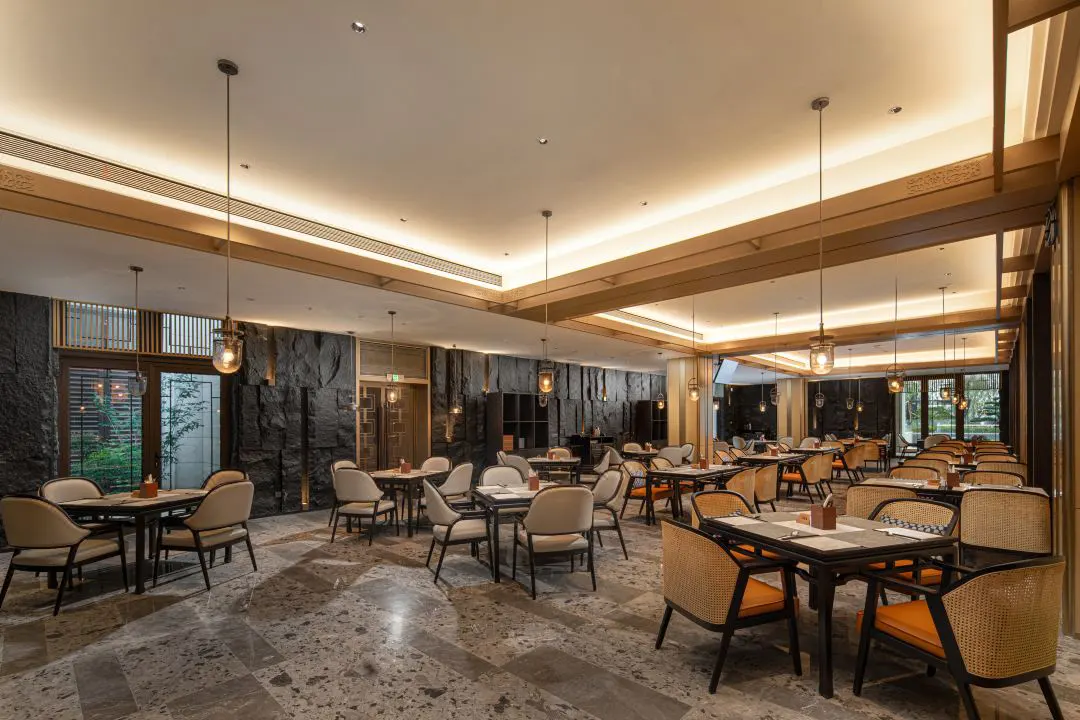
When it comes to creating an inviting atmosphere in hotels, the choice of catering furniture plays a pivotal role. Hotel catering furniture encompasses various types of tables, chairs, and other furnishings specifically designed for dining and event spaces within hospitality environments. Choosing the right pieces not only enhances the visual appeal of the venue but also significantly impacts func
Ashley Ren:
Address
No.2, Zhenye West 5th Road, Shatou Industrial Park, Jiujiang Town, Nanhai District, Foshan City, Guangdong Province, China
SAF Coolest v1.3.1.2 设置面板 GAGSD-AGYF-JSXAE-WWA
无数据提示
Sorry,The current section is being updated, so stay tuned!
You can view other sections or go back to Home